

Trash Talk: The Interesting History of Waste Management

 Updated:
  5 min read
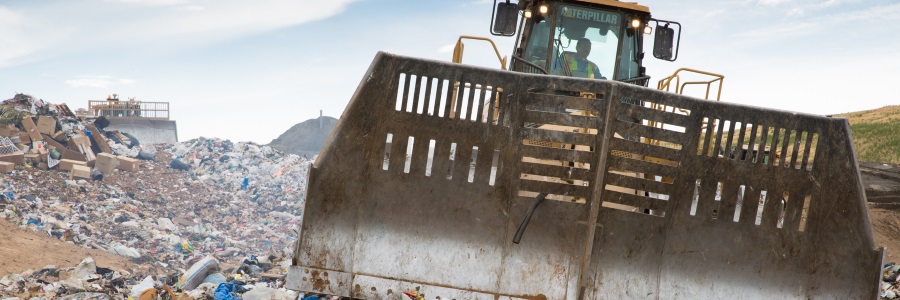
As long as there have been humans, there has been waste. From animal skins and ashes on the floor of the cave, to radioactive sludge from nuclear power plants, we humans have left a sea of trash in our wake. And because of this, from prehistoric times to now, there have always been those individuals whose job it is to clean up after us. Let’s look at some of them, shall we?
As long as there have been humans, there has been waste. From animal skins and ashes on the floor of the cave, to radioactive sludge from nuclear power plants, we humans have left a sea of trash in our wake. And because of this, from prehistoric times to now, there have always been those individuals whose job it is to clean up after us. Let’s look at some of them, shall we?
Trashy Ways of the Ancient Days
It took a while before civilization became civilized enough to be concerned about the amount of trash it was creating to want to do something about it. In 3000 B.C.E., the officials in Knossos, Crete dug holes for refuse. The refuse in the holes was periodically covered with dirt. Thus, the first landfills were created. Then, in 2000 B.C.E., the Chinese developed a way to recycle certain objects, compost food scraps, and recycle bronze for future use. It took the wise and wasteful Greeks in Athens to make the first rubbish-related law. In 500 B.C.E. they declared that all trash had to be deposited at least 1 mile from the city. The Roman Empire developed the techniques of closed sewer systems to carry waste and muck away via running water. And then the Dark Ages hit, and things got pretty dirty again.
Muck of the Middle Ages
The Medieval days were filled with famine, plague, war—and apparently, a lot of trash. In A.D. 1388, things were so bad in British towns and cities that parliament felt compelled to pass a law making it illegal to dump waste into open ditches and waterways. The first sanitation engineers appeared on the scene during this time. Known as “rakers,” men in British cities were hired to rake the muck and filth from the streets. Rakers were commonplace by the time Columbus set sail.
New World Waste
Europeans found the New World in the 15th century, and had mucked it up enough to need to pass rubbish laws by the 17th century. In 1657, New Amsterdam (which became this little place you might have heard of—New York City) passed a regulation forbidding the throwing of trash into the streets. At this point, there really wasn’t much you could do with your rubbish. You burnt what you could, buried the rest, or simply tossed it into the privy. (Archeologists love when they find old outhouses, as they often hold a store of “treasures” among the trash in the pit.) Even Ben Franklin advocated keeping the streets clean by digging a pit in the back garden and dumping your trash in it.
Seasoned Sanitation
It wasn’t until the 1800s that the world of modern sanitation actually began to take shape. Doctors in London discovered that uncovered sewers bred disease. The muck in the streets caused death. Engineers then rediscovered the lost art of making sewer systems, and in 1875, the Public Health Act made waste collection an official duty. You could be fined for an empty dustbin on collection day. New York City once again led the way in America, when it opened the country’s first trash incinerator in 1885. It also created one of the first standardized waste collection and removal systems. Theodore Roosevelt, as city commissioner, brought about teams of white-suited men whose sole responsibility was to go about cleaning streets and picking up the trash. They used horse-drawn carts and shovels, for the most part, to do the work.
Modern Muck Removal
By World War I, two-thirds of American cities had waste management and trash collection systems in place. Landfills were reinvented and motor cars and trucks took over from the horse-drawn wagons.
The first dumpsters appeared in the middle of the Depression, when a Tennessee businessman realized that larger waste receptacles would save money, while a lift system for transporting the receptacles to the waste storage facility meant saving money on the number of men it took to collect a city’s trash. Mr. Dempster (yes, “dumpster” sounds like “Dempster” for a reason) probably had no idea that his basic principles would still be in use today. World War II brought about the largest recycling program the world had ever seen, with rubber, paper, cooking fats, cloth, metal, and glass all being collected for reuse in the war effort.
The war also brought about the introduction of the dumpster truck system to a wide audience, as the military was one of Dempster’s clients. By 1955, the Dumpmaster was introduced by Dempster, and the modern trash truck was, in a sense, born. It had a front-loading device that picked up the Dumpster and emptied it into the dump truck or compactor truck. By 1957, the system had been perfected, and the familiar over-the-cab lift was introduced. Cities were so proud of their new trash trucks that they took great pride in painting them with stripes, attractive colors and logos. Modern sanitation management had arrived in style.
Trash collection has come a long way from the days of digging pits and throwing your scraps out the front door into the street. But the modern system of waste management and trash collection really hasn’t changed since the late 1950s. The basics are still there—a dump truck or compactor truck picks up household “dustbins” and carries all that rubbish away so we don’t have to deal with it anymore. We all owe our waste management professionals a big “thank you!”