

The Garbage Truck Types That Make or Break a Mixed Fleet TEST123

 Updated:
  11 min read
Running a successful waste management operation starts with having the right garbage truck types in your fleet. They’re the key to keeping your routes efficient, your crews productive, and your budget on track. And when your jobs vary, relying on just one truck won’t cut it. In this guide, we’ll walk you through the different types of garbage trucks, how to choose the right ones for your routes, and why building a mixed fleet gives you the edge. Let’s start with the basics.
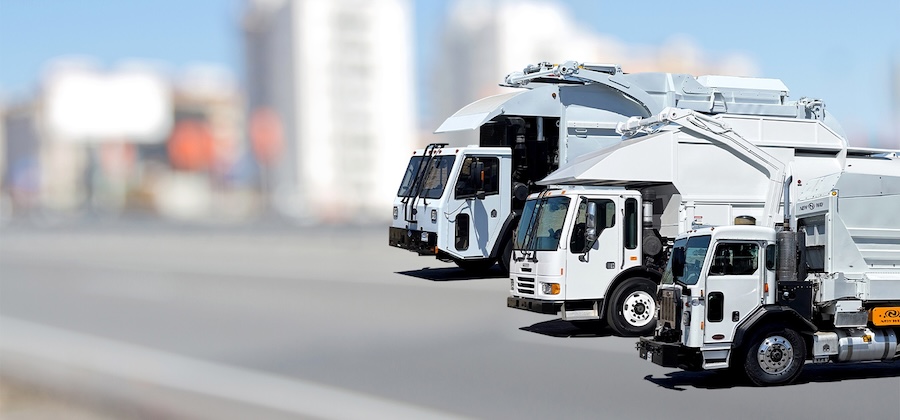
Running a successful waste management operation starts with having the right garbage truck types in your fleet.
They’re the key to keeping your routes efficient, your crews productive, and your budget on track. And when your jobs vary, relying on just one truck won’t cut it.
In this guide, we’ll walk you through the different types of garbage trucks, how to choose the right ones for your routes, and why building a mixed fleet gives you the edge.
Let’s start with the basics.
Why a Mixed Fleet of Waste Management Vehicles Matters
If you manage routes, crews, and budgets, having the right mix of waste management truck types makes all the difference. Every job is different, from residential pickups to large-scale debris hauling.
Having a mix of garbage truck types gives you the flexibility to handle it all without wasting time or resources ineffectively. It also opens the door to smarter fleet truck route optimization, so you can get more done with fewer delays and lower costs.
Here’s how it helps:
- Match equipment to each route and waste type
- Keep your team productive and on schedule
- Avoid overspending on fuel or oversized trucks
- Stay ready for last-minute jobs or seasonal changes
- Extend the life of your waste management vehicles
A smart fleet truck route-optimization means better control, fewer delays, and smoother operations, no matter the route.
Understanding the Different Types of Garbage Trucks
If you’ve made it this far, you’re serious about building a more efficient fleet, and understanding the main types of garbage trucks is the right place to start.
It gives you a clear view of your options, allowing you to upgrade your fleet with waste management vehicles that fit your operations and keep your projects moving without delays.
Each garbage truck type is designed for a specific job. The key differences come down to two things:
- How waste is loaded
- What type of containers or materials do they handle
Based on this classification, there are five main waste management truck types. Let’s break them down and see how they compare.
Side Loaders
A side loader is a waste management truck type that collects waste from the side. These trucks can be:
- Automated side loaders use a mechanical arm to lift and empty bins. They’re operated entirely from inside the cab, often by a single driver.
- Manual side loaders require a crew member to load bins manually. The manual option offers more flexibility in tight spaces or areas with irregular placement.
Best for:
- Residential neighborhoods: Perfect for curbside waste collection, making them highly efficient in suburban and urban areas.
- Municipal waste collection: Cities and towns frequently use these types of garbage trucks for regular household garbage collection.
- High-density areas and narrow streets: Suited for regions with closely spaced homes or limited street access.
How it works: These types of garbage trucks have a side-mounted loading mechanism, where either a mechanical arm (in automated models) lifts and empties standardized bins into the hopper, or workers manually load the waste (in manual models).
Key benefits:
- Cuts down collection time, especially with automated models
- Improves crew safety by limiting exposure to traffic and reducing physical strain
- Manual models are cost-effective for small or complex routes
Front Loaders
A front loader type of garbage truck is designed to empty large commercial bins with a heavy waste load. They are designed for heavy loads and can lift up to 10,000 pounds.
Best for:
- Commercial and industrial waste: Ideal for businesses, apartment complexes, shopping centers, and industrial facilities that generate substantial amounts of waste.
- Large dumpsters: Specifically designed to service large waste containers (often referred to as dumpsters or skips).
- High-volume collection routes: Suited for routes with fewer stops but larger quantities of waste at each stop.
How it works: The hydraulic fork at the front of the truck picks up and lifts the container over the truck and empties from the bin into a large hopper in the truck.
Inside the hopper, a hydraulic compaction packer pushes the waste deeper into the truck's body, compressing it to make room for more. This means fewer trips to the landfill or transfer station and a more efficient route with these types of garbage trucks.
Key benefits:
- Handles heavy loads
- Reduces the number of trips needed to unload
- Can be operated by a single driver for streamlined commercial collection
Rear Loaders
A rear loader garbage truck has a large opening at the rear where the waste is loaded. These garbage truck types are known for their ability to handle various waste types.
Best for:
- Residential and commercial waste: Ideal for neighborhoods, businesses, and mixed collection routes.
- Manual collection routes: Great for areas without standardized bins.
- Bulky or irregular waste: Can handle items that don’t fit easily in automated systems.
How it works: With this type of garbage trucks, waste is loaded into the rear hopper, either by workers or with the help of a mechanical tipper. Once full, a hydraulic packer compresses the waste and moves it into the body of the truck. This process repeats until the truck reaches capacity.
Key benefits:
- Flexible loading: Can handle bagged trash, loose items, and non-standard containers
- Cost-effective option for mixed waste routes
- Easy to operate and maintain, especially in areas with narrow alleys or space constraints
Roll Offs
These types of trash trucks are used to transport large, open-top containers (roll-off dumpsters), empty their contents, and return them to the designated waste collection point. They are designed for extremely heavy loads and can carry tens of thousands of pounds.
Best for:
- Construction and demolition debris: Ideal for building sites, renovation projects, and demolition sites that generate large volumes of building materials waste.
- Industrial & commercial cleanups: Suited for major cleanouts of commercial properties, industrial facilities, or residential estates with significant amounts of bulk waste.
- Temporary waste containment needs: Perfect for situations where a large container is needed on-site for an extended period for waste accumulation.
How it works: Roll off trucks carry large containers that can be dropped off at a job site or location. The container stays at the site while the truck returns with an empty or replacement unit. The full container is hauled to a landfill, transfer station, or recycling center.
Key benefits: Handles high-volume, heavy-duty waste with ease Quick container swaps reduce downtime on job sites Works with a range of dumpster sizes and project scopes
Grapple Trucks
These types of garbage trucks are built for heavy lifting. They’re equipped with a hydraulic arm and claw (called a grapple loader) that picks up bulky waste and hard-to-handle materials.
Best for:
- Bulk waste collection and picking up large items like furniture, appliances, tree limbs, and construction debris.
- Storm cleanup and disaster recovery
- Municipal or contractor work involving oversized debris
How they work: A grapple truck operates with a single operator who controls the hydraulic boom and grapple. The boom can extend and articulate (like a knuckle) to reach and grip items. Once the waste is grasped, it is lifted and deposited into the truck's collection bin.
Key benefits:
- Reduces manual labor and speeds up bulk collection
- Ideal for areas where traditional garbage trucks can’t handle the volume or size
- Works well in combination with dump trailers or roll offs for flexible hauling
How to Choose the Right Waste Management Truck Type for Your Fleet
The right waste management truck types depend on what you’re collecting and where. It's not a one-size-fits-all scenario, as various factors influence the best choice for your waste collection route planning.
Want to build more efficient routes and reduce downtime? Below is a quick guide to vehicle fleet management best practices.
Route Type
Consider how many stops your routes have and how close they are together. Residential areas with curbside pickup need different trucks than industrial zones with fewer, high-volume stops. Your route determines what waste management truck types are most efficient
Volume of Waste Management
High-volume areas need waste management vehicles with strong compaction power or large container capacity. Your goal in such cases would be to reduce the trips to the landfill and keep your routes efficient.
Staff Size and Resources
Choosing trucks based on staff size and resources improves garbage truck route optimization. Adding different types of garbage trucks that fit with your current setup can save on training time and help you use your team more efficiently.
If you’re running a small team, automated trucks can reduce labor needs. Manual trucks may offer more control but usually require a larger crew.
Operating Environment and Terrain
Narrow streets, rough terrain, or crowded urban zones all influence what types of trash trucks work best. Choose waste management truck types that can handle the physical environment without slowing you down.
Used Garbage Trucks: Smarter Than You Think
Buying used doesn’t mean settling for less. For many fleet managers and contractors, it’s the smarter move, especially when you’re balancing timelines, budgets, and route demands.
With a trusted source, you can choose from different types of used garbage trucks that deliver the performance you need, without the premium price tag or long wait times.
Here’s why going used makes sense:
- Lower upfront investment
- Avoid steep depreciation
- Immediate availability - no production delays
- Access to higher-end models
- Proven durability with maintenance history
- Route-ready and emissions-compliant
Used waste management vehicles help support quick deployment and smarter waste management route optimization.
How Truck Site Helps You Optimize Your Fleet
When you're looking for a reliable garbage truck for sale, you need one that shows up ready to work, not stuck in the yard waiting on fixes, missing parts, or piles of paperwork. That’s why so many fleet managers and contractors rely on Truck Site.
We make it easy to keep your operation moving with trucks that are:
- Fully inspected and route ready – No extra prep, no downtime
- CaliforniaClean® – Devoid of rust
- Financing approved fast – Get same-day decisions so you don’t lose time
- Shipped nationwide and beyond – Wherever the job is, we’ll get it there
- Accurately listed with real photos – So you know exactly what you're getting
- Sourced from top brands – Choose from trusted names like McNeilus, Heil, New Way, Labrie, and more
At Truck Site, we help you build a fleet that makes waste collection route planning faster, easier, and more efficient.
Frequently Asked Questions on Garbage Truck Types
How to improve waste collection efficiency?
Start by matching the right garbage truck types to each route. Use automated trucks where possible to reduce labor, and plan smarter routes based on volume, location, and crew size. A well-mixed fleet helps avoid delays and keeps operations running smoother.
What are the different types of garbage trucks?
There are several different types of garbage trucks: front loaders, rear loaders, side loaders (manual and automated), roll off trucks, and grapple trucks. Each is designed for specific jobs - like commercial pickups, residential routes, bulk waste, or construction debris.
What is the most common garbage truck type?
Rear loaders are the most common types of trash trucks, especially for residential collection. They’re known for their flexibility, ease of use, and ability to handle mixed or bulky waste.
What is the professional name for a garbage truck?
Professionals often refer to them as refuse trucks, waste collection vehicles, or solid waste trucks. The specific name usually depends on the type of the trash truck - like front loader, rear loader, or roll off truck.
What are the three main types of garbage?
The main categories are municipal solid waste (household trash, construction debris), recyclable waste (plastic, paper, glass), and organic or biodegradable waste (food scraps, yard trimmings). Different waste types may require different truck configurations or containers.
Can one garbage truck type handle all waste collection needs?
Not really. Each truck type is built for specific jobs - residential pickups, commercial dumpsters, bulk waste, or construction debris. That’s why most efficient fleets use a mix of garbage truck types to cover all their routes and service needs without delays or overuse.
How can I improve my waste collection route planning?
By equipping your fleet with a variety of garbage truck types that match the type of waste collected on each route, you will greatly enhance your waste collection route planning capabilities. A well-mixed fleet increases efficiency and keeps operations running smoothly.
What types of garbage trucks do you have at Truck Site?
At Truck Site, you’ll find a wide selection of used garbage trucks, including front loaders, rear loaders, side loaders (manual and automated), roll off trucks, and grapple trucks. All are fully inspected and route ready.
What financing options are available for a Truck Site’s garbage truck?
We can offer you great financing options to make the purchase of our trash trucks online even easier. Fill out our credit application, which only takes 5 minutes, and you can get approved the same day.
What is the most popular garbage truck brand?
McNeilus, Heil, Labrie, and New Way are among the most popular garbage truck brands in the U.S. due to their durability, ease of maintenance, and strong resale value. At Truck Site, we stock a variety of these trusted brands, many sourced from government fleets.
Make Waste Management Route Optimization Work for You
Ready to optimize your waste management operations and boost your bottom line?
Let Truck Site help you find the perfect types of garbage trucks to meet your specific needs and drive your success.
Explore Our Inventory
Edit Samuel Langhorne Clemens (November 30, 1835 – April 21, 1910), known by the pen name Mark Twain, was an American writer, humorist, and essayist. He has been praised as the "greatest humorist the United States has produced",[1] with William Faulkner calling him "the father of American literature".[2] Twain's novels include The Adventures of Tom Sawyer (1876) and its sequel, Adventures of Huckleberry Finn (1884),[3] with the latter often called the "Great American Novel". He also wrote A Connecticut Yankee in King Arthur's Court (1889) and Pudd'nhead Wilson (1894) and cowrote The Gilded Age: A Tale of Today (1873) with Charles Dudley Warner. The novelist Ernest Hemingway claimed that "All modern American literature comes from one book by Mark Twain called Huckleberry Finn."[4]